Troubleshooting & Daily Wear
How to Prevent Press-On Nails From Popping Off: No-Lift Tips
A fresh set of press-on nails should not start popping off the same day you apply them. If one nail lifts while you are typing, washing your hands, opening a package, or getting ready to leave the house, the problem is usually not just the nail itself. Most pop-offs happen because the press-on never formed a strong bond with your natural nail.
To prevent press-on nails from popping off, start with clean, dry, oil-free nails, choose a press-on that fits without pressure, lightly buff the nail plate, apply glue evenly, press each nail firmly for 20–30 seconds, and avoid water, lotion, oil, and heavy hand use right after application.
This guide focuses on prevention. If you are new to wearing press-ons, start with our complete press-on nails guide to understand how they work, how long they last, and how to choose the right set. If one nail has already fallen off, you can follow our guide on how to fix a press-on nail that falls off. If your sets keep coming off repeatedly, our deeper guide on why press-on nails keep falling off can help you troubleshoot the root cause.
1. Quick Checklist: How to Keep Press-On Nails From Popping Off
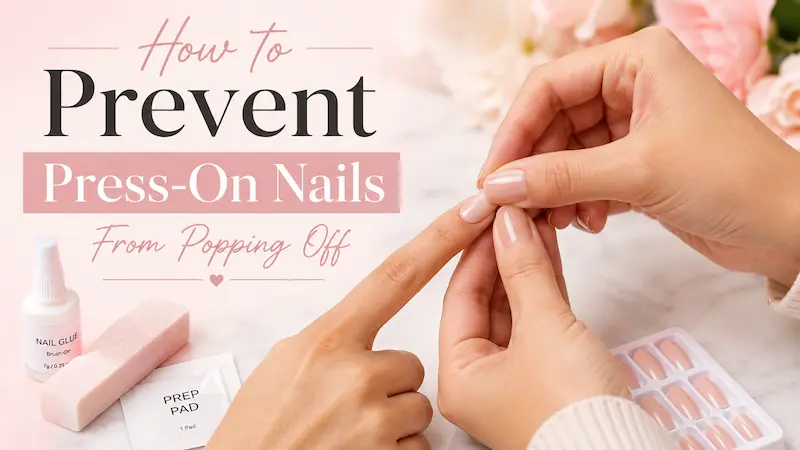
Use this no-pop checklist before every press-on manicure:
- Start with clean, completely dry nails.
- Remove old polish, lotion, sunscreen, cuticle oil, and soap residue.
- Push back cuticles so the press-on bonds to your nail plate, not your skin.
- Lightly buff the natural nail for better grip.
- Wipe each nail with an alcohol prep pad and avoid touching the nail plate afterward.
- Choose a press-on size that fits sidewall-to-sidewall without overlapping skin.
- Use nail glue for longer wear or adhesive tabs for short-term wear.
- Apply the press-on from the cuticle area at a slight angle to reduce air bubbles.
- Hold each nail firmly for 20–30 seconds.
- Avoid water, lotion, cuticle oil, and heavy hand use right after application.
For the full beginner-friendly routine, follow our complete press-on nail application guide.
2. Popping Off vs Lifting vs Falling Off
A press-on nail that is lifting is starting to separate at the edge, usually around the cuticle, sidewall, or free edge. A nail that pops off has fully detached, often because that lifting point was ignored or exposed to pressure. A nail that keeps falling off usually points to a repeated issue with prep, sizing, glue placement, or daily habits.
This article focuses on stopping the full pop-off before it happens. If your nails are mostly staying on but lifting at the edges, read our guide on why press-on nails lift.
3. Why Press-On Nails Pop Off So Easily
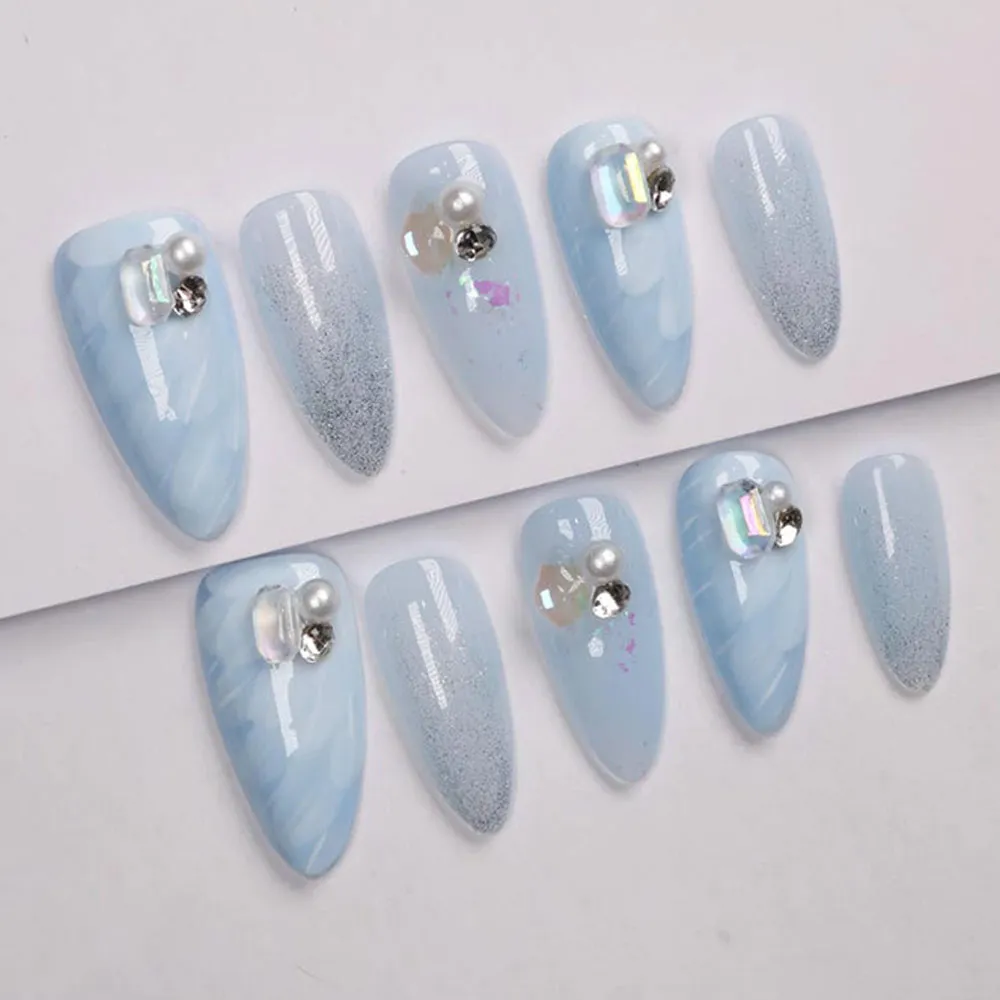
Press-on nails pop off when the adhesive bond breaks. That bond can fail because of oil, moisture, poor fit, air bubbles, water exposure, or pressure on the nail tip.
3.1. Oil, Lotion, or Moisture Blocks the Bond
Nail glue and adhesive tabs need a clean surface to grip. If your natural nails still have lotion, sunscreen, cuticle oil, soap residue, or moisture on them, the adhesive may stick to that layer instead of your nail plate.
This is why press-ons often pop off quickly when they are applied right after a shower, after washing dishes, or after using hand cream.
3.2. The Press-On Does Not Fit Your Nail Bed
Fit is one of the biggest reasons press-ons pop off. A nail that is too large may overlap the skin. A nail that is too small may create pressure at the sidewalls. A press-on that is too curved for a flat nail bed can also push upward until the bond breaks.
If sizing is a recurring issue, our guide on how to size press-on nails correctly explains how to measure and choose the right fit.
3.3. Air Bubbles Create Weak Spots
Air bubbles leave empty spaces between your natural nail and the press-on. Once water, movement, or pressure reaches those gaps, the nail can start lifting and eventually pop off.
A smooth cuticle-to-tip application helps push air out instead of trapping it under the nail.
3.4. Water Exposure Happens Too Soon
A quick hand wash is different from soaking your nails. Long showers, swimming, dishwashing, hair washing, and cleaning can weaken a fresh bond if they happen too soon after application.
For water-related care, see our guides on showering with press-on nails and swimming with press-on nails.
4. Pop-Off Problem, Likely Cause, and Best Fix
| Pop-off problem | Likely cause | Best prevention fix |
|---|---|---|
| One nail pops off the same day | Oil, moisture, or air bubble | Clean better, dry fully, press longer |
| Thumbs pop off first | Wider or flatter nail bed, more daily pressure | Check curve, use even glue coverage, hold longer |
| Index fingers pop off first | Typing, tapping, opening objects | Choose shorter length and avoid using nail tips |
| Press-ons pop off after showering | Water reached a weak edge | Avoid soaking early and check for lifting first |
| Same nail always pops off | Size or curve mismatch | Resize, file sides, or choose a flatter press-on |
| Adhesive tabs pop off quickly | Not enough pressure or oily nail plate | Clean better and press firmly after applying |
| Nails pop off near the cuticle | Applied over cuticle or too close to skin | Push back cuticles and leave a tiny clean gap |
| Long nails pop off faster | Extra leverage at the tip | Try a shorter shape for daily wear |
5. The No-Pop Nail Prep: Remove Oil, Moisture, and Cuticle Barriers
Strong press-on wear starts before the glue touches your nail. The goal is simple: create a clean, dry, lightly textured nail plate that the adhesive can grip.
Apply your press-ons when your hands are completely dry. Avoid applying them right after a shower, bath, swim, or dishwashing session. Natural nails can temporarily hold moisture, and that moisture can interfere with the bond.
Before application, remove old polish, base coat, lotion, sunscreen, cuticle oil, soap residue, dust, and old glue. Use an alcohol prep pad or nail polish remover, then avoid touching the nail plate with your fingers. Your fingertips naturally carry oil, and touching the nail surface can undo your prep.
Push back your cuticles gently so the press-on sits on the nail plate, not on skin or cuticle tissue. Then lightly buff the nail surface. You only need a few gentle passes to remove shine and create grip. Do not over-buff or thin the natural nail.
If your natural nails are weak, peeling, or sore, take a break before applying another set. You can also read our guide on whether press-on nails can damage natural nails to understand safer wear and removal habits.
6. Fit Check: How Size, Curve, and Length Affect Pop-Offs
Glue can help a press-on stay on, but it cannot fully fix a bad fit. Before applying glue, dry-fit every nail.
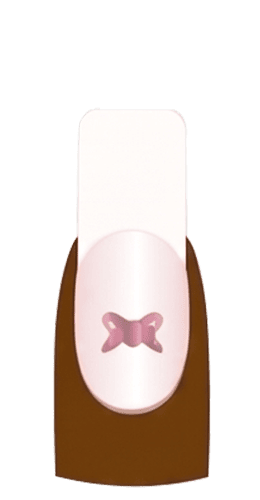
A good press-on should cover your natural nail from sidewall to sidewall without touching the surrounding skin. It should sit close to the cuticle area without being pushed into it. If the nail has to be forced down, it may be too curved or too small. If it sits over the side skin, it is too wide.
If you are between sizes, choose the slightly larger nail and gently file the sides for a more custom fit. This is especially helpful near the sidewalls and cuticle area.
Flat nail beds need extra attention. If the press-on has a strong C-curve but your natural nail is flatter, the press-on may push upward after application. That spring-back tension can make the nail pop off even when the glue is strong.
Length matters too. Long press-ons create more leverage when you type, open drawers, wash your hair, or hit the nail tip against something. If your nails keep popping off, try a shorter length or a more practical shape such as short almond, short oval, squoval, or short coffin.
If typing is part of your daily routine, our guide on typing with long press-on nails can help you adjust your keyboard setup and hand habits.
7. Glue or Tabs: Which Prevents Pop-Offs Better?
Both nail glue and adhesive tabs can work, but they are better for different goals.
| Goal | Better choice | Why |
|---|---|---|
| Longest hold | Nail glue | Creates a stronger bond when prep is correct |
| One-day wear | Adhesive tabs | Easier to remove and less commitment |
| Reusing press-ons | Adhesive tabs | Leaves less glue buildup on the press-on |
| Busy hands or chores | Nail glue | Handles daily pressure better |
| Sensitive or thin nails | Adhesive tabs may be gentler | Easier removal can reduce stress on the nail |
Nail glue usually prevents pop-offs better when it is applied correctly. The key is even coverage. Too little glue leaves dry pockets. Too much glue can flood the cuticle, spill onto the skin, and make the nail slide before it sets.
Adhesive tabs are better for short-term wear and reusable sets, but they still need clean nails and firm pressure. After placing the tab, press it down well before removing the top film. Then apply the press-on and hold firmly.
Avoid layering glue, tabs, gel, base coat, or other products unless they are specifically meant to be used together. For most people, a simple method works best: either nail glue or adhesive tabs.
For help choosing an adhesive, see our guide to the best nail glue for press-on nails.
8. The 30-Second Press Method to Prevent Air Pockets
Air pockets are one of the easiest ways to weaken a press-on manicure. To prevent them, avoid placing the nail straight down all at once.
First, dry-fit all 10 nails and lay them out in order. Then apply a thin, even layer of glue to your natural nail and a small amount to the underside of the press-on where it will touch your nail plate.
Place the press-on near the cuticle area at a slight angle, then lower it toward the free edge. This helps push air forward instead of trapping it under the nail.
Once the nail is in place, press firmly for 20–30 seconds. Do not lift it to check whether it worked, because that can break the bond before it sets. Use steady pressure across the center and both sides. For thumbs or flatter nails, hold a little longer because those nails often experience more tension.
If glue spills near the cuticle or sidewalls, clean it gently before it fully hardens. Do not glue the press-on onto your skin or cuticle area.
9. First 24 Hours: How to Stop a Fresh Set From Loosening
Your press-ons may feel secure right away, but the bond still benefits from gentle treatment during the first day.
Avoid soaking your hands for the first few hours. This includes washing dishes, taking a long shower, swimming, washing your hair, or cleaning without gloves. A quick hand wash is usually fine, but do not let the nails sit in water.
Skip lotion, balm, and cuticle oil near the glue line right after application. Cuticle oil is helpful for nail care, but using it too soon can soften the edges and make lifting more likely.
Wear gloves when washing dishes, cleaning, scrubbing, handling laundry detergent, or doing any task that puts pressure on your fingertips. Gloves protect both the glue line and the nail design.
Most importantly, do not use your nails as tools. Avoid using them to open cans, peel stickers, pry boxes, scrape labels, or pick at packaging. Use the pads of your fingers instead of the nail tips.
For more long-wear habits after the first day, read our guide on how to make press-on nails last longer.
10. How to Stop Specific Nails From Popping Off
Sometimes most of your set stays on, but the same one or two nails always pop off. That usually means those nails need a better fit, more precise glue placement, or extra pressure during application.
10.1. Thumbs Keep Popping Off
Thumbs are wider, flatter, and used more heavily than other nails. They also experience more side pressure when texting, gripping, opening items, or pressing objects.
To help thumbs stay on, make sure the press-on is wide enough without touching skin. File the sidewalls if needed, apply glue evenly across the full contact area, and hold the nail longer during application. Avoid using your thumbs to pry, push, or peel things.
10.2. Index Fingers Pop Off First
Index fingers do a lot of daily work. They type, tap screens, open packages, press buttons, and scratch surfaces. Because of that, they often pop off before the rest of the set.
Try a shorter nail on your index fingers if this keeps happening. You can also train yourself to use the finger pad instead of the nail tip.
10.3. Press-Ons Pop Off on Flat Nail Beds
If your nail beds are flat, a very curved press-on may not sit flush. You may notice a gap in the middle or pressure at the sides.
Choose a press-on style with a more natural curve, customize the sidewalls if needed, and make sure glue covers the center contact area. If the nail wants to spring upward before glue, it may not be the right fit for your nail bed.
10.4. Press-Ons Pop Off on Oily Nail Beds
Some people naturally have oilier nail plates or hands. If your nails pop off even with good glue, spend extra time on cleansing.
Wash and dry your hands, wipe each nail with alcohol, and avoid lotion before your manicure. After wiping, do not touch the nail plate before applying glue or tabs.
10.5. Press-Ons Pop Off After Showering
If your press-ons pop off after showering, water may have reached a weak edge. There may already have been a small gap near the cuticle or sidewall before the shower.
Avoid long soaking during the first day, keep the glue line dry when possible, and check for lifting before showering. If you see a gap, do not ignore it. Water can collect under lifted areas and make the bond weaker.
11. Common Mistakes That Make Press-Ons Pop Off
Avoid these mistakes if you want your press-ons to stay secure:
- Applying press-ons over wet nails
- Applying over lotion, oil, sunscreen, or old polish
- Skipping nail prep
- Gluing the press-on onto cuticle tissue or skin
- Forcing a curved press-on onto a flat nail bed
- Using too little glue and leaving dry spots
- Using so much glue that it spills onto the skin
- Washing dishes, swimming, or soaking right after application
- Using long press-ons as tools
- Re-gluing a dirty press-on without cleaning off old glue first
- Ripping off a nail that is already lifting
A secure press-on manicure is not about using the most glue. It is about creating the cleanest, driest, best-fitted bond possible.
12. If a Press-On Nail Still Pops Off
If one nail pops off and your natural nail looks healthy, clean both surfaces before reapplying. Remove old glue from the press-on and natural nail, wash and dry your hands, wipe the nail plate, and apply fresh glue.
Do not add new glue over old glue, dust, oil, or moisture. That usually creates a weaker bond.
Do not re-glue a press-on over a nail that looks painful, red, swollen, green, irritated, or separated from the nail bed. Leave the nail uncovered and consider asking a licensed nail professional or dermatologist for guidance.
For step-by-step repair, follow our guide on how to fix a press-on nail that fell off.
13. When You May Need a Different Press-On Set or Method
Sometimes the best fix is not more glue. It may be a better shape, shorter length, flatter curve, or different adhesive method.
If your nail beds are very flat or very curved, a standard press-on may not sit comfortably. A custom-sized set or a different nail curve can help reduce tension.
If your lifestyle is hard on long nails, shorter styles may stay better. Extra-long nails are beautiful, but they experience more pressure during typing, cleaning, cooking, childcare, and daily errands. For practical styles, explore our ideas for short press-on nails or office-friendly press-on nails.
If your natural nails are thin, peeling, or irritated, take a break before applying another set. A healthy nail plate gives press-ons a better surface to grip and makes removal safer.
14. Final No-Pop Checklist Before You Leave the House
Before finishing your manicure, check:
- Each size fits without touching skin.
- Cuticles are gently pushed back.
- Natural nails are clean and dry.
- Nail plates are lightly buffed.
- Oil and dust are removed.
- Glue is spread evenly.
- No obvious air pockets are visible.
- Each nail was pressed for 20–30 seconds.
- No lotion, oil, or soaking happened right after application.
- Gloves are ready for chores.
If all of these are checked, your press-ons have a much better chance of staying secure through daily wear.
FAQs About Keeping Press-On Nails From Popping Off
How do I keep press-on nails from popping off?
Start with clean, dry, oil-free nails. Push back your cuticles, lightly buff the nail plate, choose the right size, apply glue evenly, press each nail firmly for 20–30 seconds, and avoid water, lotion, oil, and heavy hand use right after application.
Why do my press-on nails pop off the same day?
Same-day pop-offs usually happen because of oil, moisture, poor sizing, not enough pressure, air bubbles, or water exposure too soon after application. The bond may not have fully attached to the natural nail plate.
Is nail glue or adhesive tabs better for preventing pop-offs?
Nail glue usually gives a stronger and longer-lasting hold when applied correctly. Adhesive tabs are better for short-term wear, easier removal, and reusable press-ons, but they may not hold as strongly during chores or heavy hand use.
How long should I avoid water after applying press-on nails?
Avoid soaking your hands for the first few hours after applying press-ons. Try to avoid long showers, washing dishes, swimming, or washing your hair right away. Gloves can help protect the bond.
Should I buff my nails before press-ons?
Yes, light buffing can help nail glue grip better. Do not over-buff or thin the nail plate. If your natural nails are already weak, peeling, or painful, avoid aggressive prep and let them recover.
Can press-ons pop off because they are the wrong size?
Yes. A press-on that is too large may touch the skin and lift. A press-on that is too small may create side pressure. A press-on that is too curved for a flat nail bed can also pop off because of tension.
Why do only my thumbs or index fingers pop off?
Thumbs and index fingers are used more often for gripping, typing, tapping, opening, and pushing. They experience more daily pressure, so they may need a better fit, extra prep, even glue coverage, and longer pressing time.
Can I re-glue a press-on nail that popped off?
Yes, if your natural nail looks healthy and there is no pain, redness, swelling, or discoloration. Clean off old glue, dry both surfaces, wipe the natural nail, and reapply with fresh glue. Do not re-glue over moisture, dirt, or irritation.
Sources and Editorial References