Buying Guides & Comparisons
Press-On Nail Shapes and Lengths: How to Choose the Right Set
A press-on set can look perfect in a product photo yet feel wrong once you start typing, opening bags, fastening jewelry, or handling small objects. The problem is often not the artwork. It is the combination of shape, length, fit, and surface profile.
The right set should create the silhouette you want without making your normal routine unnecessarily difficult. This guide compares the most common press-on nail shapes and lengths, explains how the same shape changes at different lengths, and provides a practical method for choosing a set.
For application, adhesive, wear, removal, and care fundamentals, start with the complete guide to press-on nails.
1. Quick Answer: Which Shape and Length Should You Choose?
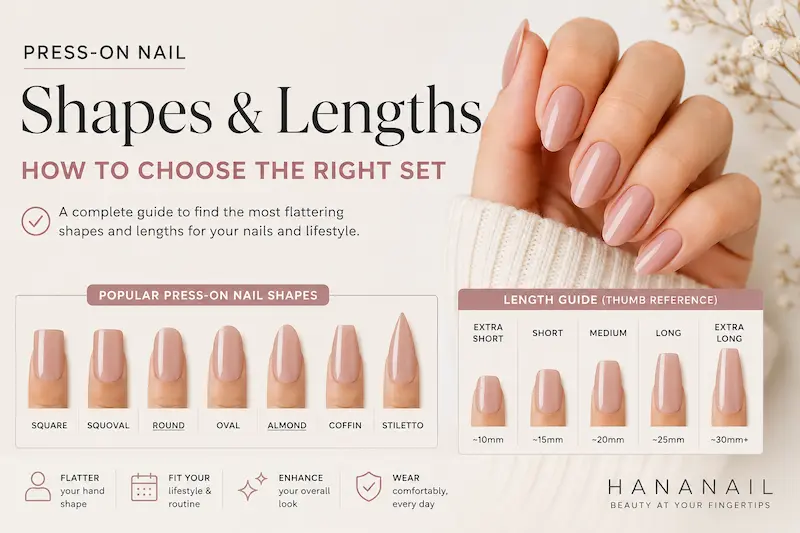
Use these combinations as starting points, not fixed rules. The final choice should still fit the width and curve of each natural nail.
| Your priority | Starting length | Shapes to consider | Main trade-off |
| First press-on set | Extra short or short | Round, oval, squoval | Less space for elaborate art |
| Frequent typing | Extra short or short | Round, squoval, soft square | Less dramatic silhouette |
| Natural-looking result | Extra short or short | Round or oval | Limited statement effect |
| Longer-looking line | Short or medium | Oval or almond | More projection beyond the fingertip |
| Balanced everyday style | Short or medium | Squoval or short almond | Comfort still depends on fit |
| Large art canvas | Medium or long | Square or coffin | Requires more adaptation |
| Bold statement | Medium or long | Coffin or stiletto | Lower practicality for active hands |
Best default: When you are unsure, choose the shortest length that still creates the silhouette you want. Moving up in length later is easier than discovering that a new set makes every routine task frustrating.
2. Shape, Length, Size, and Curvature: The Difference
These terms describe different parts of the wearing experience:
- Size is the width of the press-on at the base. It determines whether the tip covers the natural nail without resting on skin.
- Curvature is the arch of the underside. A compatible tip should rest without rocking, large gaps, or uncomfortable pressure.
- Shape is the visible outline of the free edge, such as round, square, almond, coffin, or stiletto.
- Length is how far the press-on projects beyond the fingertip and therefore how much it changes daily hand use.
A tapered free edge can make a nail look narrower, but it cannot correct an undersized base. Likewise, a beautiful square or almond tip will not feel comfortable when its curve conflicts with the natural nail.
This article focuses on visible shape and length. Use the full press-on nail sizing guide to measure width and evaluate fit before ordering.
Selection order: Confirm fit first, choose a comfortable length second, select the silhouette third, and compare colors or artwork last.
3. Extra Short, Short, Medium, or Long Press-On Nails?
Length labels are useful, but they are not standardized across every brand or collection. Compare actual measurements, straight-on hand photos, and the amount of extension beyond the fingertip rather than relying only on the words short or medium.
Hana Nail currently lists Short Square and Short Oval at 16 mm on the thumb and Short Almond at 21 mm. These figures provide a useful reference, but visible extension still varies with natural nail-bed length and thumb size.
3.1. Extra-Short Press-On Nails
Extra-short tips finish close to the fingertip and usually require the least adjustment. They suit first trials, frequent typing, detailed handwork, and anyone who prefers a subtle silhouette. Their limitation is space: highly detailed illustrations, broad French tips, and large embellishments have less room to read clearly.
3.2. Short Press-On Nails
Short nails extend beyond the fingertip while remaining practical for many routines. They offer more visible shape and artwork than extra-short tips without creating the reach of a full medium or long set. Round, oval, squoval, soft square, and short almond are the most common short options.
3.3. Medium Press-On Nails
Medium nails balance design space with wearability. They show taper more clearly on almond and coffin shapes and provide room for French tips, chrome, florals, or moderate 3D accents. They may still suit experienced typists, but tasks such as fastening jewelry, opening packaging, or picking up small objects can require a change in technique.
3.4. Long Press-On Nails
Long nails prioritize visual impact and provide the largest canvas for detailed art and dramatic shapes. They are well suited to events, photography, and statement styling when the wearer is already comfortable with added length. Because the tip projects farther, a catch or impact creates more leverage and requires more deliberate hand movement.
For style inspiration that stays within a practical length range, browse short press-on nail ideas. For technique rather than shape selection, see how to type with longer press-ons later in this guide.
4. 7 Popular Press-On Nail Shapes Compared
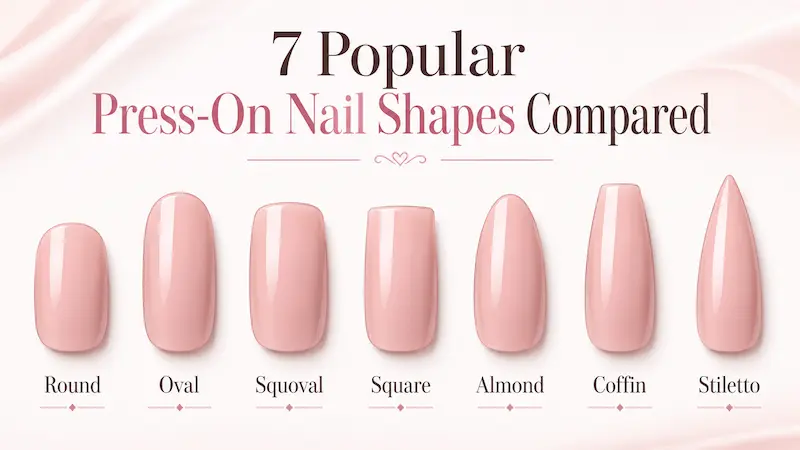
| Shape | Silhouette | Typical effect | Practicality | Common starting length |
| Round | Curved free edge | Soft and natural | High | Extra short to short |
| Oval | Elongated curve | Smooth, longer-looking line | High to medium | Short to medium |
| Squoval | Flat tip, softened corners | Balanced and versatile | High | Extra short to medium |
| Square | Straight sides and flat tip | Structured and graphic | Medium to high when short | Short to long |
| Almond | Tapered sides, rounded peak | Refined and elongated | Medium | Short to medium |
| Coffin / ballerina | Tapered sides, flat tip | Bold and modern | Medium to low | Medium to long |
| Stiletto | Strong taper, pointed tip | Dramatic and expressive | Low for active use | Usually long |
4.1. Round Press-On Nails
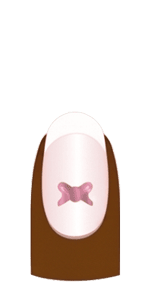
Round nails follow a soft curve around the fingertip. At extra-short and short lengths, they create one of the most natural and manageable silhouettes. The lack of sharp corners or a narrow point can reduce snagging during typing and hands-on tasks. The main trade-off is less taper and a smaller visual canvas than almond, coffin, or long square.
4.2. Oval Press-On Nails
Oval nails curve gradually toward a longer rounded tip. They may create a smoother vertical line than round nails without introducing a sharp point. This makes oval a useful option for someone who wants a refined silhouette with relatively practical edges. At very short lengths, round and oval may look similar; the distinction becomes clearer as the free edge extends.
4.3. Squoval or Soft-Square Press-On Nails
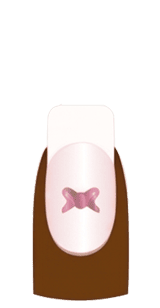
Squoval combines a straighter free edge with softened corners. It is a versatile everyday shape because it preserves some square structure without the crisp corner profile of a true square tip. Short squoval works well for desk routines, study, and general wear. Brands may use squoval and soft square differently, so compare the product outline rather than relying on the label alone.
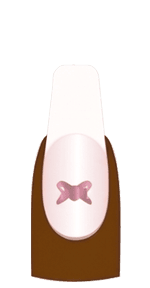
4.4. Square Press-On Nails
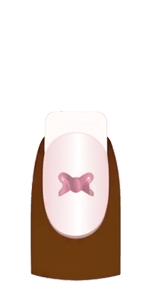
Square nails have straighter sidewalls and a flat tip, producing a clean, graphic outline. Short square can be compact and practical while still providing a broad surface for French or geometric designs. Long square creates a much larger canvas, but the extended corners are more likely to meet hair, fabric, pockets, or narrow openings. Squoval is the softer alternative.
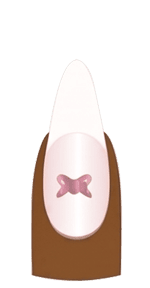
4.5. Almond Press-On Nails
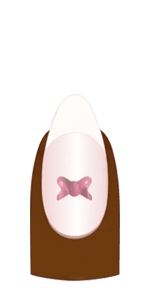
Almond nails taper toward the center and finish with a rounded peak. The vertical taper can make the nail and finger appear more elongated. A true almond silhouette needs enough length for the sides to narrow visibly; an extremely short version may read more like oval. Short almond offers a gentle taper, while medium almond creates a stronger visual effect and requires more adaptation.
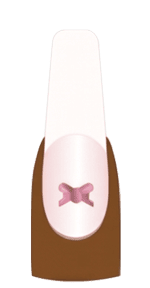
4.6. Coffin or Ballerina Press-On Nails
Coffin nails taper through the sides and end in a flat tip. The shape is usually clearest at medium or long lengths, where it offers substantial design space and a bold outline. Although the taper can look more streamlined than long square, the length still affects handling. Coffin is best chosen when visual impact matters more than maximum everyday convenience.
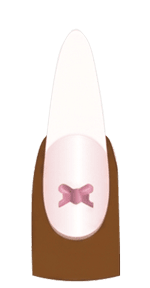
4.7. Stiletto Press-On Nails
Stiletto nails narrow to a pronounced point and create the strongest statement silhouette in this guide. They suit editorial looks, photography, special events, and wearers already comfortable with long extensions. The pointed tip is less suited to intensive hand use, childcare, or frequent manipulation of delicate objects. Testing the shape for a shorter occasion can prevent an impractical multi-day choice.
5. Why the Same Shape Changes at Different Lengths
A shape name does not describe the complete wearing experience. Length changes how clearly the silhouette reads, how much artwork is visible, and how far the tip reaches beyond the finger.
| Combination | What changes visually | Practical implication |
| Short vs. medium almond | The taper becomes longer and more defined | Medium almond creates more extension and may change typing or small-object handling |
| Short vs. long square | The flat edge and corners become more prominent | Long square offers more design space but more potential catch points |
| Medium vs. long coffin | The tapered body and flat tip become more dramatic | Long coffin is more statement-focused and less suited to intensive hand use |
This is why copying the shape shown in a product photo is not enough. Check the exact length option used in the image and compare it with the version you plan to order.
6. How Different Shapes Change the Look of Your Hands
Hand-shape recommendations are visual starting points, not prescriptions. The same tip can appear different depending on nail-bed length, finger proportions, color placement, and total extension.
- Round creates a compact, soft outline that often resembles a natural free edge.
- Oval and almond emphasize a vertical line and may make the fingers look longer.
- Square emphasizes structure and width through the straight sidewalls and flat tip.
- Squoval balances square structure with a softer corner profile.
- Coffin and stiletto create stronger contrast and can dominate the hand at long lengths.
Do not choose an undersized tip simply to make the nail look narrower. A correctly fitting shape you enjoy will look more intentional than a visually flattering outline that leaves sidewall gaps or causes pressure.
7. Choose a Shape and Length for Your Real Routine
| Routine | Practical starting point | Why it may work | Watch for |
| Frequent typing or desk work | Extra-short or short round, squoval, or soft square | Limited projection and fewer unfamiliar edges | Tall charms and crisp long corners |
| Hands-on daily tasks | Extra-short round or short squoval | Compact silhouette and fewer pointed areas | Long tips and bulky decoration |
| Balanced everyday wear | Short oval, squoval, or short almond | Style without an extreme reach | A brand label that does not match the actual measurement |
| Travel or formal events | Short-to-medium oval or almond | Refined shape with moderate extension | Testing an unfamiliar length on the day of the event |
| Photography or statement wear | Medium-to-long coffin or stiletto | Clear visual impact and a large art canvas | Reduced practicality during normal tasks |
For desk-specific considerations, compare the best press-on nails for office work and the full guide to typing with long press-on nails.
Planning around a trip or ceremony? Use the dedicated guides to vacation press-on nails and wedding press-on nails for activity, timing, adhesive, and event-specific details.
8. The Hana Nail Five-Decision Check
Use this sequence before ordering a set:
1. Confirm the fit route. Check that the available standard or custom sizes can cover all ten natural nails and that the tip curve is likely to rest comfortably.
2. Identify the most demanding task. Choose for the activity that places the greatest demand on your hands, not the most relaxed day in your schedule.
3. Set the maximum comfortable length. Select the shortest option that still creates the visual effect you want.
4. Choose the silhouette. Decide whether you prefer rounded, structured, tapered, or pointed edges.
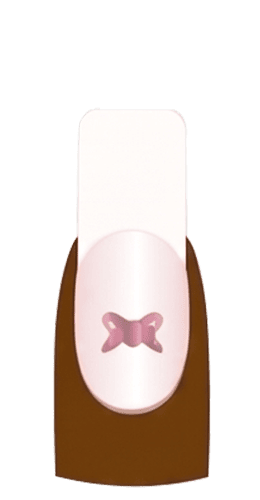
5. Check the surface profile. Compare flat artwork with bows, flowers, stones, chains, or other raised details that may create snag points.
New wearers who also need help with adhesive, kit contents, and first-set planning can continue to Best Press-On Nails for Beginners.
9. 4 Shape and Length Mistakes to Avoid
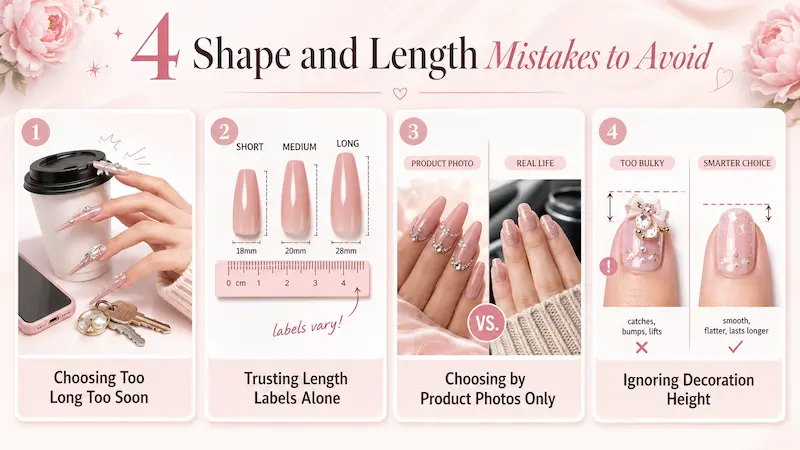
9.1. Choosing from the product photo alone
Camera angle, lens distance, hand pose, and the model’s finger proportions can make a shape appear shorter or narrower than it is. Look for measurements, full-hand images, a straight-on view, and a side profile before ordering.
9.2. Assuming every brand uses the same length labels
Short, medium, and long are relative categories. One short coffin may project farther than another brand’s medium oval. Compare millimeter measurements and the specific shape option rather than the label in isolation.
9.3. Ignoring decoration height
A short set with large bows or sculpted flowers may be less practical than a medium set with flat painting. Evaluate the total surface profile, not only the distance from cuticle to tip.
9.4. Choosing for an imaginary routine
A long coffin or stiletto set may look ideal in a saved photo but feel unsuitable during typing, hair washing, cooking, luggage handling, or repeated outfit changes. Choose the set for the week you will actually have.
Frequently Asked Questions
What press-on nail shape is easiest for beginners?
Short round, oval, squoval, and soft-square nails are approachable starting points because they have limited projection and no extreme point. Short Almond can work for someone who wants taper and already feels comfortable with a little extension.
Which press-on nail shape can make fingers look longer?
Oval and almond may create a longer-looking line because the sides curve or taper toward the center. The effect also depends on length, color placement, and the proportions of the wearer’s hands.
What is the most natural-looking press-on nail shape?
Extra-short or short round and oval nails often create the most natural-looking silhouette. Fit and placement still affect the final result; the guide to making press-on nails look natural covers cuticle alignment and application details.
Are short press-on nails more durable?
A shorter free edge usually creates less leverage and fewer opportunities to catch the tip, but short does not guarantee longer wear. Tip construction, fit, preparation, adhesive, water exposure, and activity all affect durability.
Can wide nail beds wear almond or coffin press-ons?
Yes. The base must still cover the natural nail from sidewall to sidewall. A tapered free edge may create a narrower-looking silhouette, but an undersized base should not be used to force that effect.
Need to shorten an existing set rather than choose a new one? Read Can You Cut, File, or Reshape Press-On Nails? before altering the free edge or a design that wraps around the tip.
Final Thoughts
Choose fit first, the shortest comfortable length second, and the visible shape third. Round, oval, and squoval are practical starting points; almond adds a softer taper; square creates a structured outline; coffin and stiletto place more emphasis on visual impact.
The best set is not the one that looks most dramatic in isolation. It is the one that fits correctly, creates the silhouette you want, and remains compatible with the way you actually use your hands.
Sources and Editorial References
- Hana Nail – How to Size Press-On Nails Correctly
- Hana Nail – Current sizing, shape, and product information reviewed for this guide
- OPI – How to Find the Best Nail Shape for Your Hands
- Doonails – Size & Shape Guide
Last editorial review: July 2026.
Editorial Disclosure
Hana Nail designs and sells handmade press-on nails. This guide provides general shape-and-length selection guidance and is not presented as an independent review of Hana Nail products or every brand on the market. Hana Nail measurements and options are identified as brand-specific references. Fit, comfort, and daily usability vary by wearer, and product options may change.