Styles & Inspiration
Nude Press-On Nails: How to Choose a Flattering, Natural-Looking Set
Nude press-on nails can look understated, polished, or intentionally contrasting, but the right set is not simply the first beige shade that appears close to your skin. Color depth, undertone, opacity, nail-bed color, finish, and fit all change the final result.
Milky white, blush, peach, beige, taupe, caramel, cocoa, and muted mauve can all function as nude shades. The most flattering choice is the one that creates the effect you want—blended, brightening, or softly contrasting—while still fitting your natural nails cleanly.
New to press-ons? Start with Hana Nail’s complete guide to press-on nails for an overview of sizing, adhesives, wear time, safety, and removal.
Quick answer: Choose nude press-on nails by comparing the shade’s undertone and depth with your skin, deciding whether you want a blended, brightening, or soft-contrast effect, and checking whether the color is sheer, semi-sheer, or opaque. For a natural-looking result, the tip should also follow your cuticle line and sidewalls without touching the skin or leaving visible gaps.
1. What Counts as a Nude Press-On Nail?
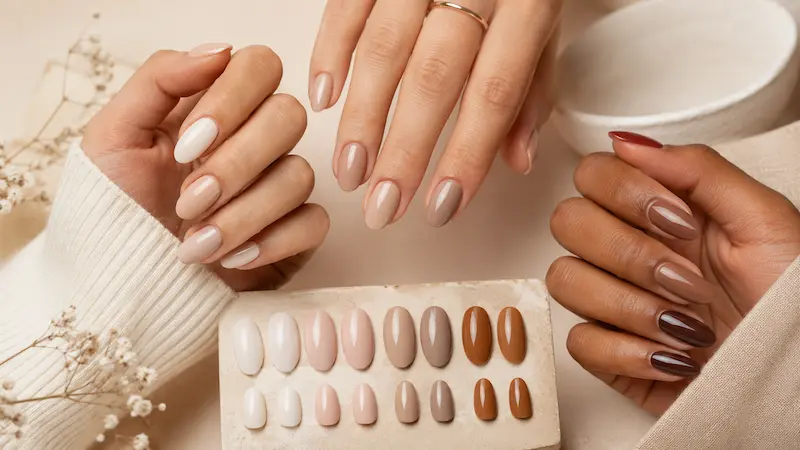
“Nude” describes a family of low-saturation colors that relate to skin tones or natural nail-bed colors. It does not describe one universal beige, and it does not require the nail to disappear against the hand.
A nude manicure may blend closely with the wearer’s skin, resemble the soft translucent tones of a natural nail bed, or create a controlled contrast that remains neutral and easy to style.
| Term | What it usually means |
| Nude press-on nails | Press-ons in skin-related or nail-bed-inspired neutral shades such as blush, beige, caramel, cocoa, or muted mauve. |
| Natural-looking press-ons | A broader result created by realistic color, suitable length, thin edges, correct width, and careful placement. |
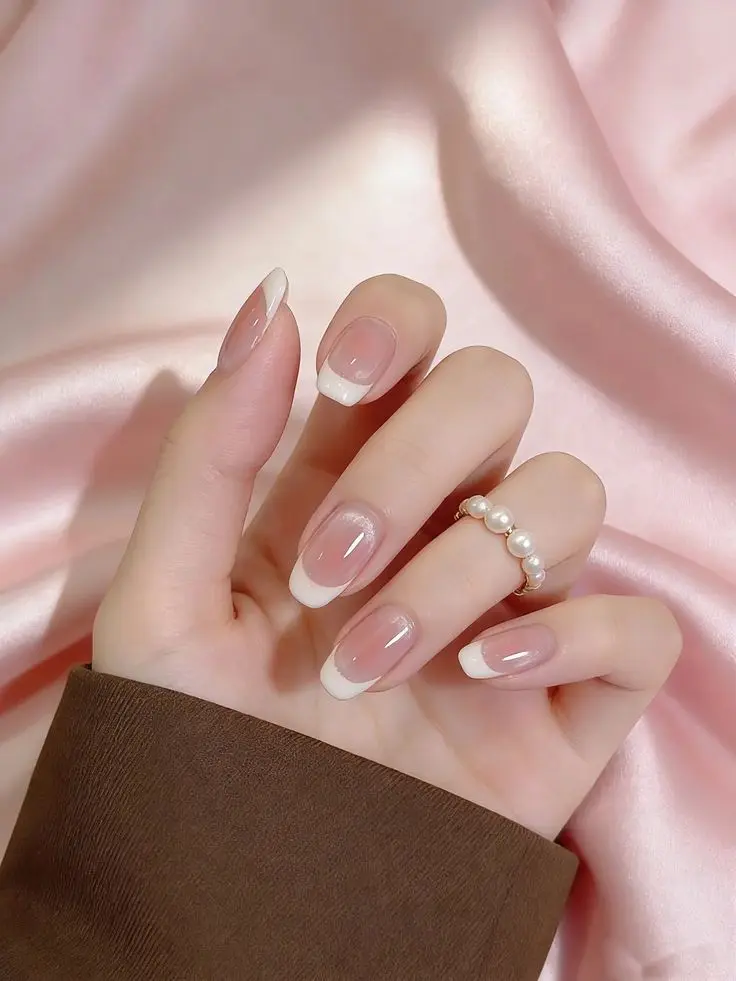
| Milky white press-ons | Soft white nails with sheer or semi-sheer coverage. They often sit within the nude or neutral family. |
| Neutral press-ons | A wider category that may also include cream, taupe, gray, soft brown, and other low-saturation colors. |
A set can be nude without looking natural—for example, if it is extra long, heavily embellished, or poorly fitted. Likewise, a natural-looking set may use a translucent pink rather than a shade that resembles the surrounding skin.
2. How to Choose a Nude Shade for Your Skin
The most flattering nude is not always the color closest to your skin. A more reliable approach is to consider both skin depth and undertone, then choose the visual effect you want.
2.1. Start With Skin Depth and Undertone
Skin depth describes how light or deep the skin appears. Undertone describes the quieter color beneath the surface. Two people with a similar skin depth can still suit different nude shades because one may lean golden while the other appears pink, neutral, or muted.
| Undertone | Useful starting points |
| Warm | Peach nude, honey beige, warm caramel, tan, and softly golden brown. |
| Cool | Blush, rosy beige, dusty mauve, cool taupe, and pink-beige. |
| Neutral | Balanced beige, soft pink, taupe, caramel, and many muted browns. |
| Olive | Olive can lean warm, neutral, or cool. Balanced beige, muted rose, taupe, and neutral brown are useful starting points. |
These are starting points, not rules. Nail-bed color, opacity, lighting, jewelry, clothing, and personal preference can change how a shade reads on the hand.
2.2. Decide Which Effect You Want
Blended nude
A blended nude sits close to your skin depth or natural nail-bed color. It creates a quiet manicure that works well with minimalist outfits and shorter, practical shapes.
Brightening nude
A brightening nude is slightly lighter than the surrounding skin without becoming a stark, opaque white. Milky white, vanilla, pale blush, and light beige can make the hands appear fresher while preserving a soft transition.
Soft-contrast nude
A soft-contrast shade is visibly different from the skin but remains neutral. A deep cocoa on light skin or a milky blush on deep skin can look intentional and elegant without becoming a bold color manicure.
2.3. Use Shade Families as a Guide
| Shade family | Appearance | Typical effect |
| Milky white or vanilla | Soft white, usually sheer or semi-sheer | Clean, bright, delicate |
| Blush pink | Nude with a pink or rosy base | Fresh and nail-bed inspired |
| Peach nude | Beige or pink with a warm peach base | Warm and lively |
| Neutral beige | Balanced beige without a strong yellow or pink cast | Minimal and versatile |
| Taupe or mauve | Beige mixed with gray, brown, or muted purple | Modern and sophisticated |
| Caramel or tan | Medium warm or neutral brown | Rich and softly contrasting |
| Cocoa or espresso | Deep brown with neutral or muted warmth | Defined and understated |
2.4. Check the Shade in More Than One Light
Nude colors are especially sensitive to lighting. A beige that appears balanced in daylight may look yellow under warm bulbs, while a blush shade may appear noticeably pink under phone flash.
When possible, compare the set in natural daylight, warm indoor light, cool indoor light, and a close-up phone photo. Product pages are most useful when they show the nails on real hands rather than only against a white studio background.
3. Sheer vs. Semi-Sheer vs. Opaque Nude Press-Ons
Opacity changes both the color and the realism of a nude manicure because it controls how much of the natural nail shows through.
| Opacity | Natural nail visibility | Main advantage | Main consideration |
| Sheer | High | Delicate, translucent finish | May reveal adhesive, bubbles, or gaps |
| Semi-sheer | Moderate | Balances softness and coverage | Final color still varies with the nail bed |
| Opaque | Low | Even and consistent color | Undertone mismatches appear more obvious |
3.1. Sheer nude press-ons
Sheer blush, beige, and milky shades allow the natural nail bed to influence the final color. This can create a realistic “your nails but better” effect, but it may also make uneven glue, visible tabs, trapped air, or spaces beneath the tip easier to see.
3.2. Semi-sheer nude press-ons
Semi-sheer coverage softens the natural nail without hiding it completely. It is often a forgiving choice for milky white, blush, nude ombré, and soft almond or oval designs.
3.3. Opaque nude press-ons
Opaque nails create a uniform finish and more consistent color from finger to finger. Because the natural nail no longer softens the shade, a poorly chosen opaque nude may look more orange, gray, pink, or yellow than expected.
4. 6 Nude Press-On Nail Styles to Consider
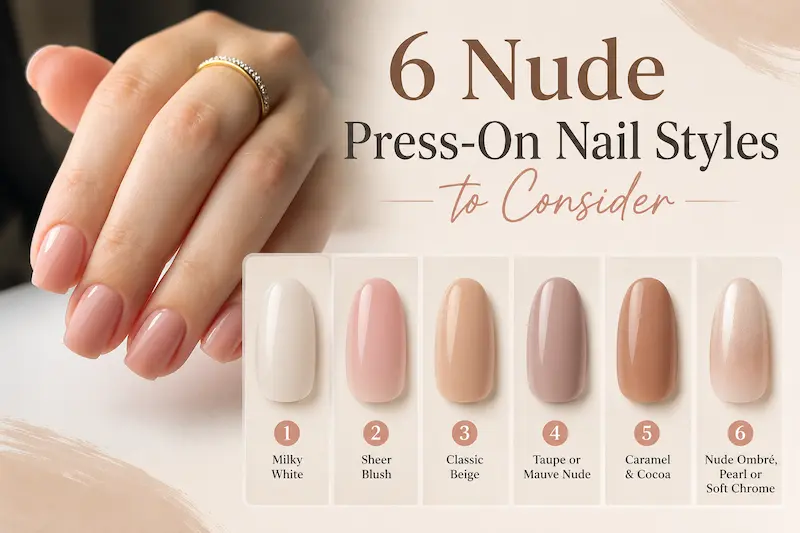
The following styles stay within the nude family while offering different levels of contrast, reflection, and coverage.
4.1. Milky White Press-On Nails
Milky white combines a soft white tone with sheer or semi-sheer coverage. It is brighter than beige but gentler than solid white. Short almond, oval, and squoval shapes preserve the clean, natural impression.
4.2. Sheer Blush Nude Nails
Sheer blush resembles the pink or translucent tones commonly seen in natural nail beds. It is a good choice for a low-contrast manicure, especially in short oval, round, or soft almond shapes.
4.3. Classic Beige Nude Nails
Beige can lean golden, pink, gray, peach, or brown. A balanced beige is versatile, but studio lighting can hide an undertone mismatch, so compare the shade with real-hand photos whenever possible.
4.4. Taupe or Mauve Nude Nails
Taupe and mauve nudes add gray, brown, or muted purple to the base. They can feel more modern than warm beige and are useful when peach or yellow-toned nudes look overly orange.
4.5. Caramel, Cocoa, and Espresso Nudes
Caramel, tan, cocoa, and espresso expand nude beyond pale colors. They can blend naturally with medium and deep skin tones or create a refined contrast on lighter skin.
4.6. Nude Ombré, Pearl, or Soft Chrome
Nude ombré creates a gradual transition between blush, beige, transparent pink, or milky white. Pearl and soft champagne chrome add reflection while keeping the base neutral and wearable.
For bridal styling, see Wedding Press-On Nails. For more reflective and decorative finishes, compare Luxury Press-On Nails and the current press-on nail trends.
5. Which Shape Works Best With Nude Press-Ons?
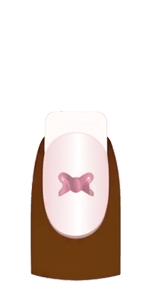
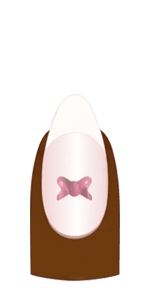
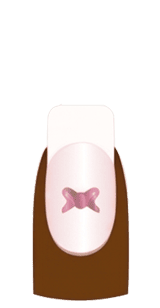
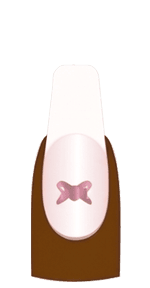
Nude color does not determine the best shape, but shape changes the overall effect. A short silhouette usually looks more natural, while extra length turns even a quiet neutral into a statement manicure.
| Desired effect | Useful shape and length options | What to expect |
| Most natural-looking | Short round, oval, or squoval | Soft outline and high everyday practicality |
| Soft and elongated | Medium oval or almond | Visually lengthens the fingers without looking extreme |
| Statement neutral | Long almond, square, or coffin | Neutral color with a more dramatic silhouette |
For practical inspiration, browse short press-on nail ideas. Planning a longer shape for work or daily tasks? Review how to type with long press-on nails before choosing the final length.
6. How to Make Nude Press-Ons Look More Natural
Neutral and translucent colors place more attention on the outline of the nail, so sizing and placement errors can be especially visible.
6.1. Check the fit at the sidewalls and cuticle
The press-on should cover the natural nail without overlapping the skin or leaving obvious side gaps. The cuticle edge should follow the natural curve rather than sitting far above it or pressing onto the skin.
6.2. Pay attention to the nail curve
A tip that is much more curved than the natural nail can leave empty space underneath or create pressure. A tip that is too flat may not contact the nail evenly. Either problem is easier to notice through sheer nude shades.
6.3. Keep adhesive invisible
Transparent and semi-sheer nails can reveal uneven glue, bubbles, or thick adhesive tabs. Use only the amount recommended by the adhesive instructions and apply each nail slowly enough to avoid visible pockets.
6.4. Review the complete set in daylight
Compare both hands rather than judging one sample nail. Look for consistent length, angle, width, cuticle placement, and color. Small differences often become more obvious when all ten nails are visible together.
or a complete fit-and-finish checklist, review How to Make Press-On Nails Look Natural, which explains cuticle placement, sidewall alignment, curvature, thickness, and the final three-view check. Use Hana Nail’s sizing chart and the full guide to sizing press-on nails correctly before ordering. For preparation, glue placement, and pressure, follow How to Apply Press-On Nails.
7. What to Check When Buying Nude Nails Online
Nude shades can change dramatically between a product listing and the hand. The most useful product page gives enough visual information to judge color, opacity, and fit rather than relying on a single polished studio image.
7.1. Real-hand photos
Look for close-up photos on actual hands. Images on more than one skin depth are especially helpful because they show whether the shade blends, brightens, or creates contrast.
7.2. More than one lighting condition
Daylight, indoor light, and flash can reveal yellow, pink, gray, or orange undertones that are less visible against a white background.
7.3. A clear shade description
The listing should explain whether the color is warm peach, rosy beige, neutral taupe, caramel, cocoa, or another specific family. “Universal nude” is less useful than an honest description of depth and undertone.
7.4. Opacity information
Check whether the nails are sheer, semi-sheer, or opaque. This is particularly important for milky white and blush shades because the wearer’s nail bed may influence the final color.
7.5. Side-profile and cuticle photos
A side view can reveal thickness and curvature, while a cuticle close-up shows whether the edge looks thin and smooth or bulky and raised.
8. 5 Common Nude Press-On Nail Selection Mistakes
8.1. Assuming Nude Means Pale Beige
Nude is a family of colors, not one light shade. Blush, taupe, caramel, cocoa, and espresso may be more flattering than beige depending on the wearer and the intended effect.
8.2. Matching Only Skin Depth
A shade can be close to your skin depth yet still clash because it is noticeably more yellow, pink, orange, or gray. Compare undertone as well as lightness or darkness.
8.3. Ignoring Opacity
The natural nail can soften a sheer shade, while an opaque version appears exactly as formulated. Always check coverage before assuming two similar-looking products will create the same result.
8.4. Trusting Studio Photography Alone
Bright backgrounds and editing can make a nude appear cleaner or more neutral than it looks in everyday light. Real-hand photos and multiple lighting conditions provide a better reference.
8.5. Choosing a Beautiful Shade on a Poorly Fitted Tip
Color cannot hide a press-on that overlaps the skin, leaves side gaps, rocks on the nail, or sits far above the cuticle. Fit should be confirmed before the shade is evaluated as “natural-looking.”
9. A Brief Safety Note
Do not apply press-ons over broken skin or nails that are painful, swollen, or showing possible signs of infection. Stop using the adhesive if you develop persistent burning, itching, redness, or swelling. Do not simply cover unexplained or persistent nail discoloration without identifying the cause, and never pull bonded press-ons off by force.
Read Are Press-On Nails Safe? for more detail, and follow How to Remove Press-On Nails Without Damage when you are ready to take the set off.
Frequently Asked Questions
Are nude and natural press-on nails the same?
Not exactly. Nude describes the color family. Natural-looking describes the complete result, including color, opacity, length, thickness, cuticle fit, sidewall coverage, and placement.
Are milky white press-on nails considered nude?
They often are. A sheer or semi-sheer milky white creates a soft neutral effect and is commonly grouped with nude or natural-looking designs, although it is lighter than traditional beige.
What nude shade looks the most natural?
The most natural-looking shade usually coordinates with your skin undertone and nail-bed color without needing to match either one exactly. Semi-sheer blush, balanced beige, and milky nude are common starting points, but fit and opacity matter just as much as color.
Do nude press-on nails work on deep skin tones?
Yes. Caramel, cocoa, espresso, taupe, blush, beige, and milky white can all create different effects on deep skin. A deeper brown may blend, while a milky or blush shade may provide a clean soft contrast. There is no single universal nude.
Should nude press-ons match my skin or my nail bed?
They do not need to match either one exactly. Choose a nail-bed-inspired blush for a subtle translucent effect, a skin-coordinating beige or brown for blending, or a lighter or deeper neutral for soft contrast.
Final Thoughts
The best nude press-on nails are not defined by one beige shade. They combine an intentional color choice with suitable opacity, clean fit, and a shape that supports the look you want. Compare undertone and depth, decide whether you want blending or contrast, and check the set under real lighting before making the final decision.
For formal inspiration, explore Hana Nail’s Wedding Nails collection, or continue to Wedding Press-On Nails for bridal-specific color and styling guidance.
Sources and Editorial References
- American Academy of Dermatology Association: Artificial nails—Dermatologists’ tips for reducing nail damage
- Cleveland Clinic: Potential Risks of Using Press-On Nails
- Hana Nail Sizing Chart